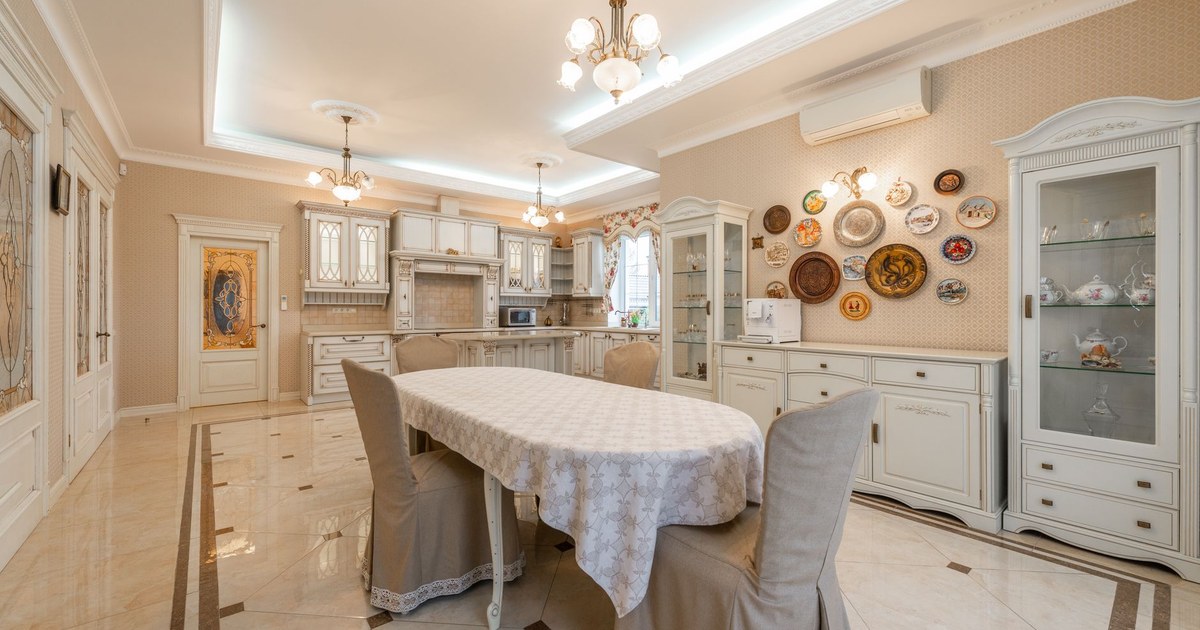
Learn about the rectified edge on porcelain tile and its advantages, and discover how it can elevate your space.
When it comes to designing a space with porcelain tiles, one of the key factors to consider is the type of edge finish. A rectified edge on porcelain tile refers to the process of mechanically cutting or grinding the edges of the tile to achieve a precise, straight edge. This process allows for a more precise fit between tiles, resulting in a nearly seamless joint. The rectified edge is a key feature of high-quality porcelain tiles, and it offers several benefits for designers and homeowners looking to create a sleek, modern look.
Introduction to Rectified Edge Porcelain Tiles
Porcelain tiles with a rectified edge are made using a advanced manufacturing process that involves cutting and grinding the edges of the tile to achieve a precise, straight edge. This process is typically done using a machine that can grind the edges of the tile to within 1/16 of an inch. The result is a tile with a perfectly straight edge that can be installed with extremely narrow grout joints, creating a nearly seamless look.
Benefits of Rectified Edge Porcelain Tiles
The rectified edge on porcelain tile offers several benefits for designers and homeowners. One of the main advantages is the ability to create a seamless look, which can be particularly effective in modern and minimalist designs. The narrow grout joints also make the space look larger, as the eye is not drawn to the grout lines. Additionally, the rectified edge makes it easier to install the tiles, as the precise edges allow for a more efficient installation process.
Design Considerations
When designing a space with rectified edge porcelain tiles, there are several factors to consider. One of the key considerations is the size and layout of the tiles. Larger tiles with a rectified edge can create a dramatic, seamless look, while smaller tiles may require more grout joints, which can disrupt the seamless appearance. The color and texture of the tiles are also important considerations, as they can affect the overall look and feel of the space. Light-colored tiles with a rectified edge can create a bright, airy feel, while darker tiles can create a more dramatic, sophisticated look.
Installation Considerations
The installation of rectified edge porcelain tiles requires careful planning and execution. The tiles must be installed with precise, narrow grout joints to achieve the seamless look. This requires a high level of skill and attention to detail, as well as specialized tools and equipment. The installer must also ensure that the substrate is level and plumb, as any unevenness can affect the appearance of the tiles.
Maintenance and Durability
Rectified edge porcelain tiles are known for their durability and low maintenance requirements. The tiles are resistant to stains and spills, and they can withstand heavy foot traffic. The narrow grout joints also make it easier to clean the tiles, as there is less grout to maintain. However, it's still important to regularly clean and maintain the tiles to ensure they continue to look their best.
""The rectified edge on porcelain tile is a game-changer for designers and homeowners who want to create a sleek, modern look without sacrificing durability or maintenance.""
Conclusion
In conclusion, the rectified edge on porcelain tile is a key feature that offers several benefits for designers and homeowners. The precise, straight edge allows for a seamless look, narrow grout joints, and a more efficient installation process. With careful planning and execution, rectified edge porcelain tiles can create a dramatic, sophisticated look that is perfect for modern and minimalist designs.
FAQs
What is a rectified edge on porcelain tile?
A rectified edge on porcelain tile refers to the process of mechanically cutting or grinding the edges of the tile to achieve a precise, straight edge. This process allows for a more precise fit between tiles, resulting in a nearly seamless joint.
What are the benefits of rectified edge porcelain tiles?
The benefits of rectified edge porcelain tiles include a seamless look, narrow grout joints, and a more efficient installation process. They also offer a durable and low-maintenance surface that is resistant to stains and spills.
How are rectified edge porcelain tiles installed?
Rectified edge porcelain tiles require careful planning and execution to install. The tiles must be installed with precise, narrow grout joints to achieve the seamless look, and the installer must ensure that the substrate is level and plumb.
Can rectified edge porcelain tiles be used in any room?
Yes, rectified edge porcelain tiles can be used in any room, but they are particularly well-suited for modern and minimalist designs. They can be used on floors, walls, and countertops, and they offer a durable and low-maintenance surface.
How do I clean and maintain rectified edge porcelain tiles?
Rectified edge porcelain tiles are easy to clean and maintain. They can be cleaned with a mild detergent and water, and they should be sealed regularly to protect the surface.
Continue reading on Surfaces or Architecture.


