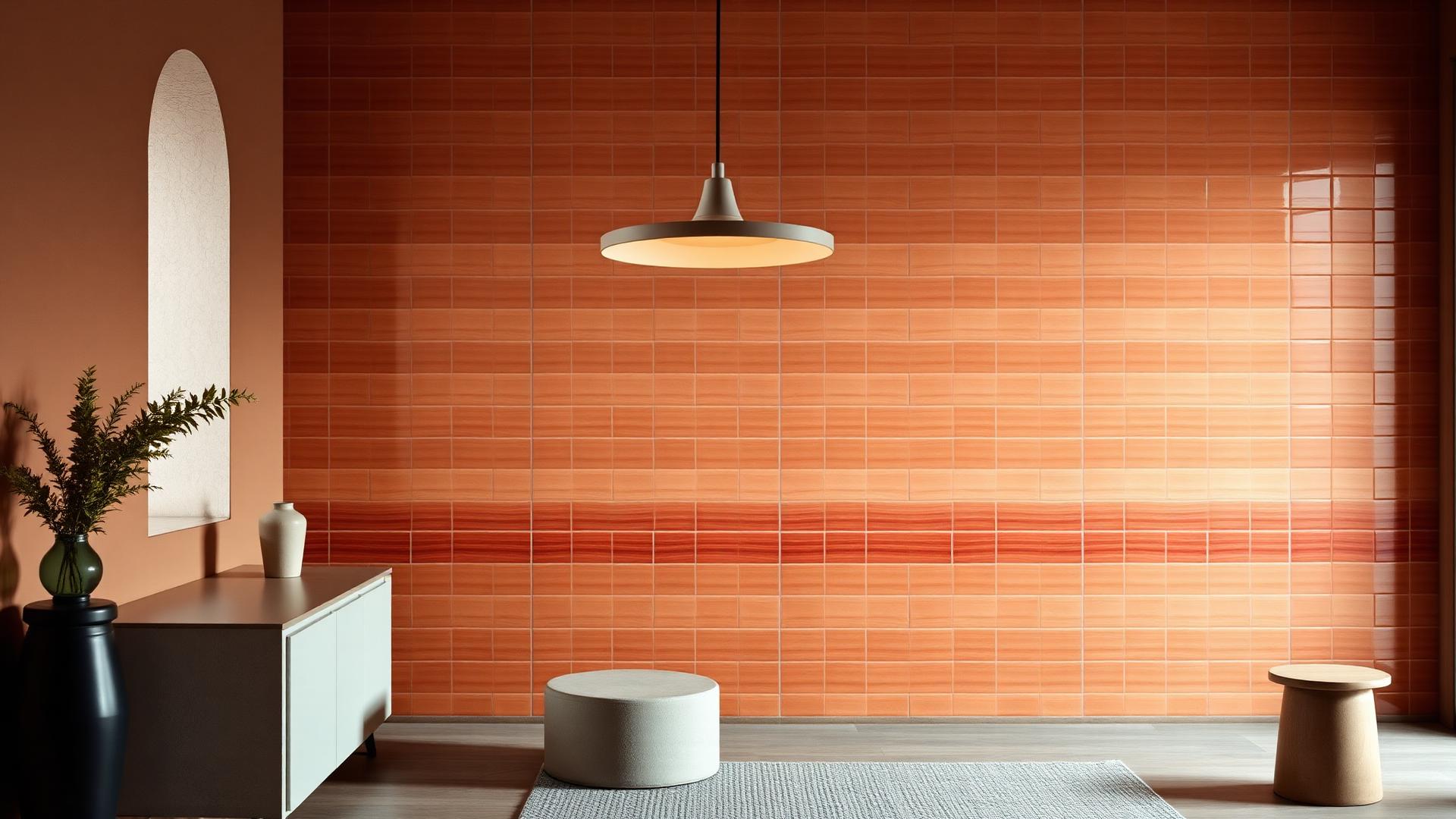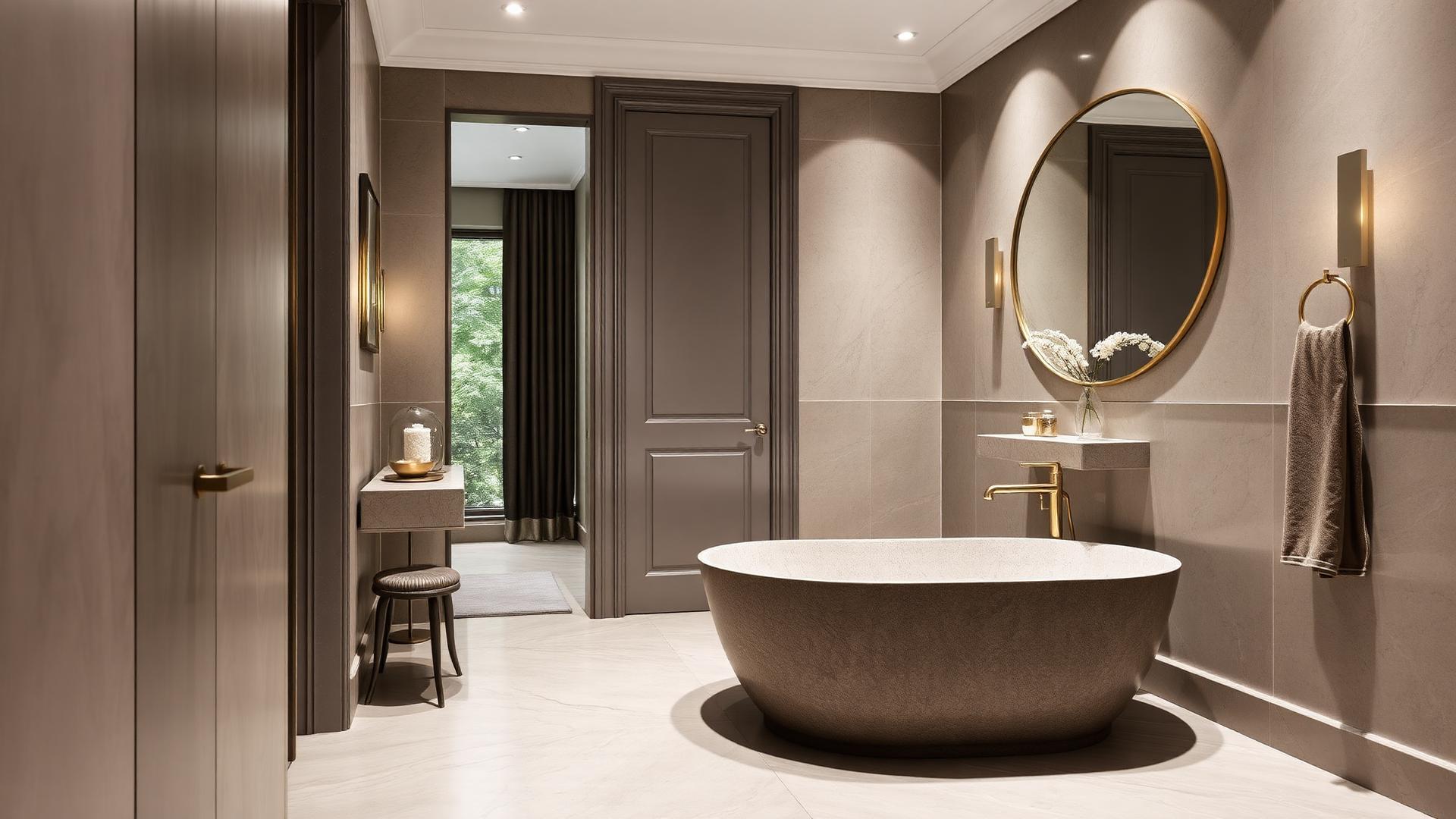
Three-dimensional ceramics, fluted panels and hand-troweled plasters are reshaping how we think about the most overlooked surface in the room.
For most of the last two decades, the interior wall existed primarily as a backdrop — a flat plane painted in a carefully chosen neutral, designed to disappear behind the furniture and art it supported. That assumption has quietly collapsed. The wall, in 2026, is a surface that does work.
Why Texture Is Suddenly Everywhere
Three forces are driving the textured-wall revival simultaneously. First, advances in ceramic manufacturing have made dimensional surfaces achievable at residential price points. Second, the post-pandemic interior has rewarded materials that feel alive under raking light. Third, designers are tired of flat sheetrock and the cool perfection of paint.
"A textured wall is a wall that earns its place. Every grazing beam of light gives it back to you again."
The Categories Defining the Conversation
- Fluted vertical panels in ceramic, oak veneer and acoustic felt
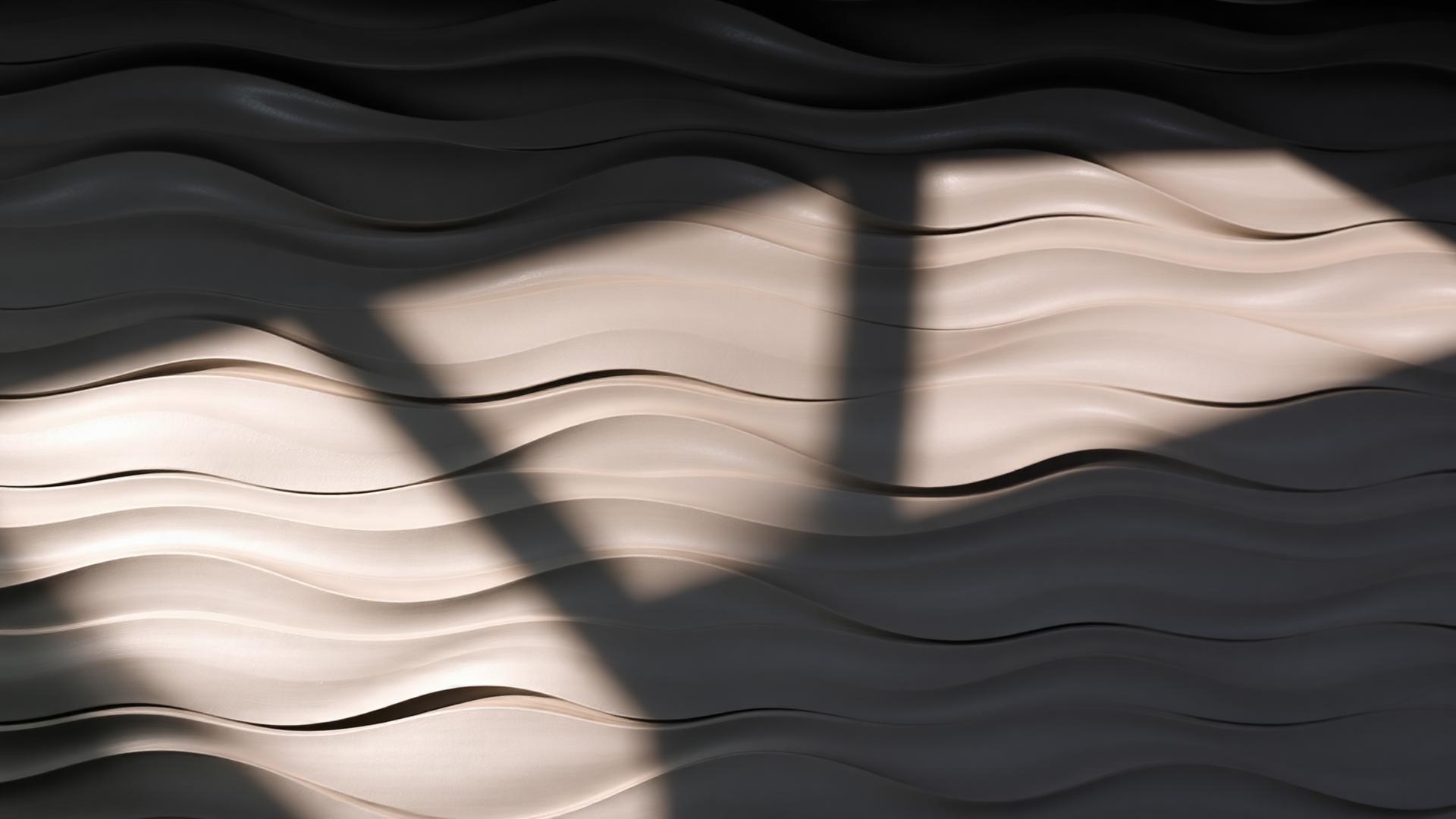
- 3D wave and ridge tiles that read as sculpture from across the room
- Hand-troweled lime plaster with deliberate brush marks
- Tactile zellige with the irregularities of the human hand
Lighting Is the Other Half of the Equation
A textured surface is only as compelling as the light that grazes it. Wall washers set close to the surface, low-angle floor uplights, and warm linear LEDs concealed in shadow gaps are all part of the toolkit. Get the light wrong and a beautiful texture will read as a flat photograph of itself.
Where to Use Texture, and Where Not To
Reserve dimensional surfaces for one or two moments per room. A single feature wall behind a bed, a fluted volume around a bar, a textured niche in a bathroom. Used everywhere, the effect collapses; used sparingly, it carries the entire space.
FAQs
Continue reading on Surfaces or Architecture.