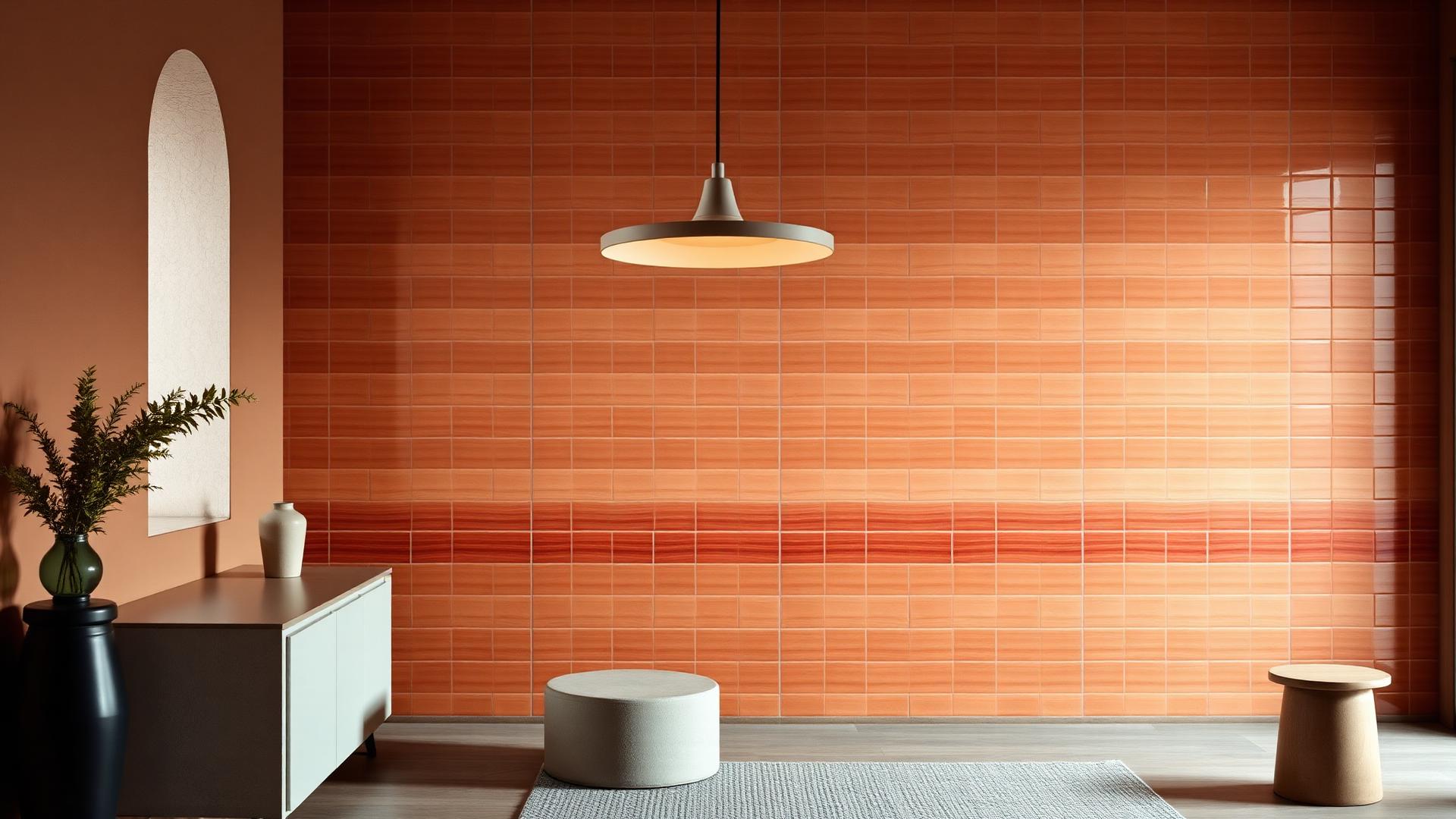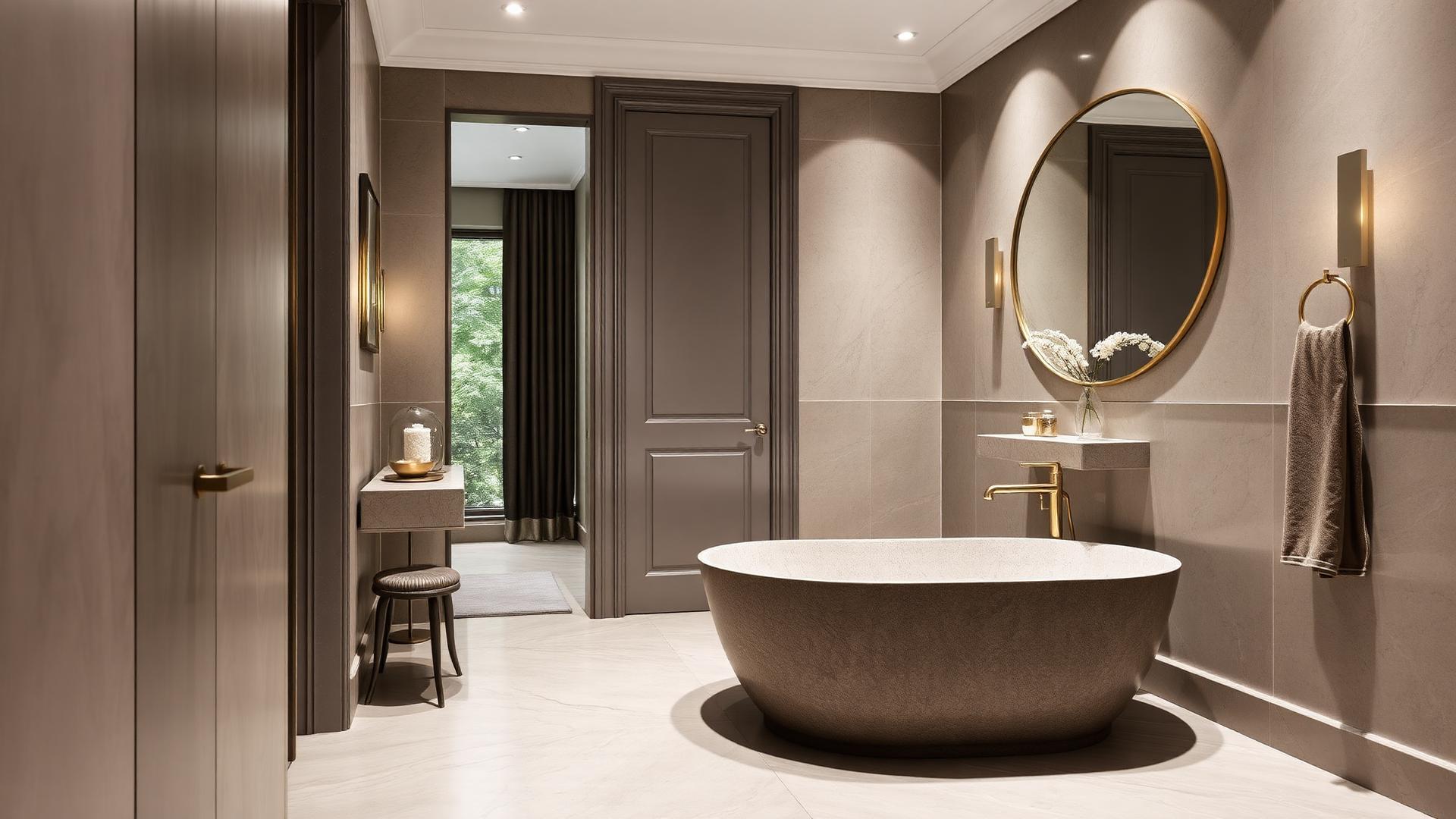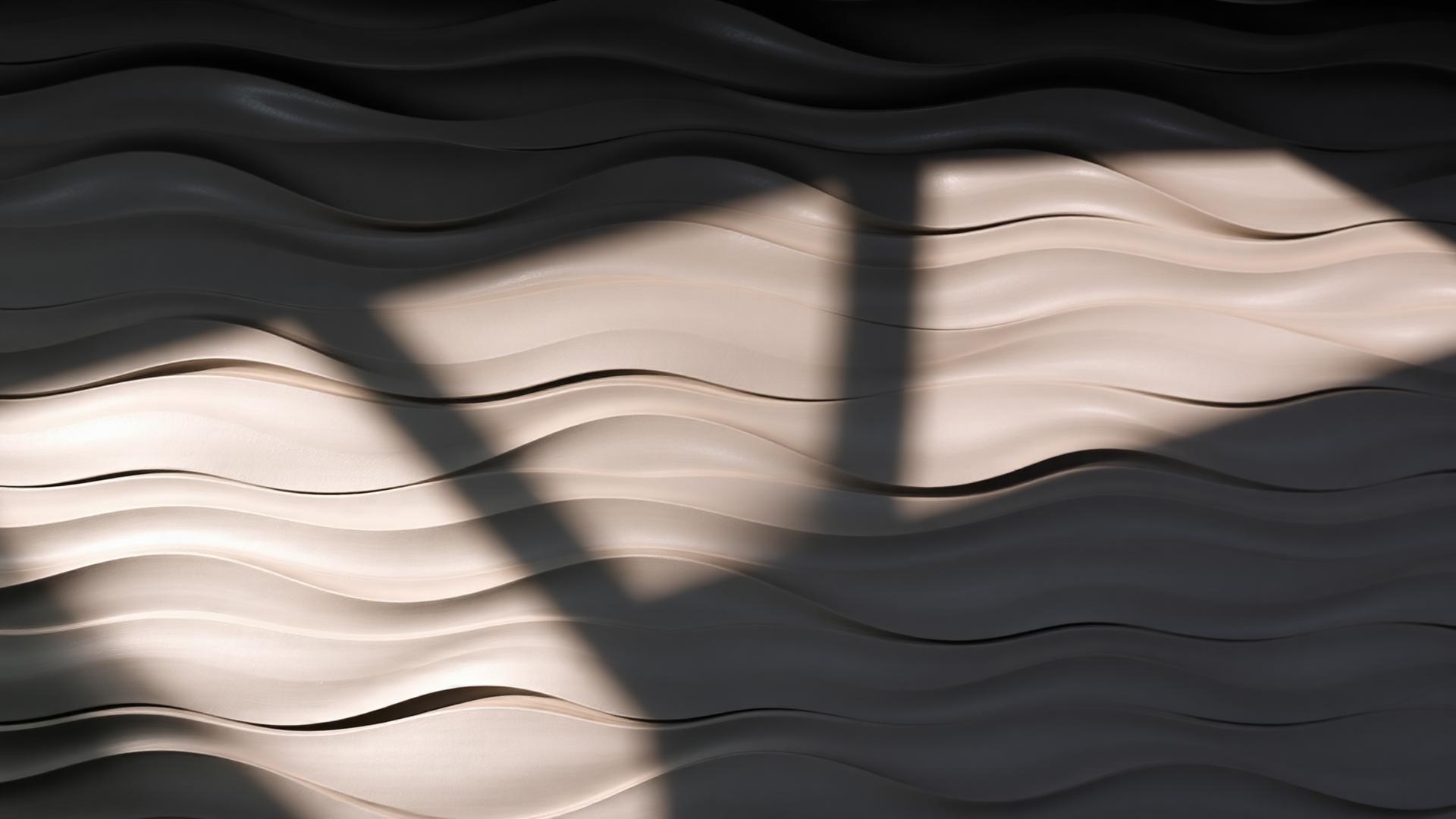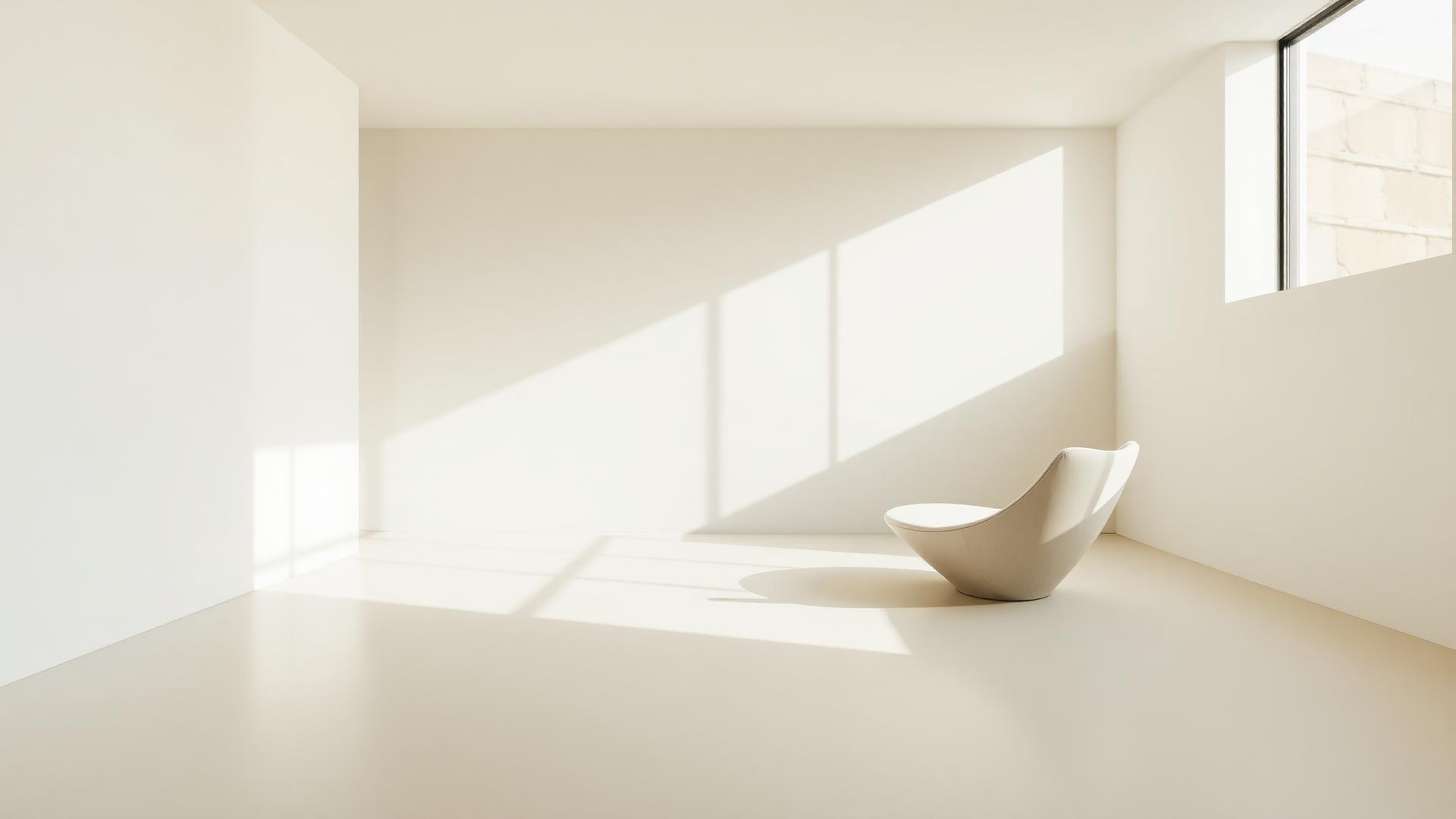
Minimalism in 2026 is warmer, softer, and far more material-forward than the cool white interiors of a decade ago.
Minimalism, as a residential aesthetic, has matured. The cold, gallery-white spaces that defined the early 2010s have given way to something altogether more livable: warm whites, off-creams, soft taupes and the quiet luxury of a perfectly executed seamless floor. The discipline remains, but the temperature has changed entirely.
Less Is Still More — But Warmer
Modern minimalism leans on material restraint rather than colour restraint. A single floor finish carried through every room, a continuous wall plane uninterrupted by trims, and lighting that washes rather than spotlights — these are the moves that make minimalist interiors feel calm rather than clinical.
"True minimalism is not the absence of things. It is the absence of distractions."
The Surfaces Doing the Heavy Lifting
- Microcement floors in warm bone, poured seamlessly across living zones
- Lime-look porcelain walls that breathe like plaster but resist daily wear
- Honed limestone-effect floor tiles in 1200x1200 formats with minimal grout
- Vertical stack-bond ceramics in soft cream for understated bathroom volumes
Designing Negative Space
The most underrated tool in the minimalist palette is empty space. A wall that holds nothing. A floor that meets the wall without a skirting. A window that frames a single tree. The discipline is choosing what to leave out — and trusting that the result will feel more, not less.
A Practical Note on Specification
Minimalist surfaces are unforgiving. Order ten percent more than you think you need, insist on consistent shade batching, and have your installer do a dry layout before any adhesive comes out. The aesthetic depends entirely on the precision of the execution.
FAQs
Continue reading on Surfaces or Architecture.