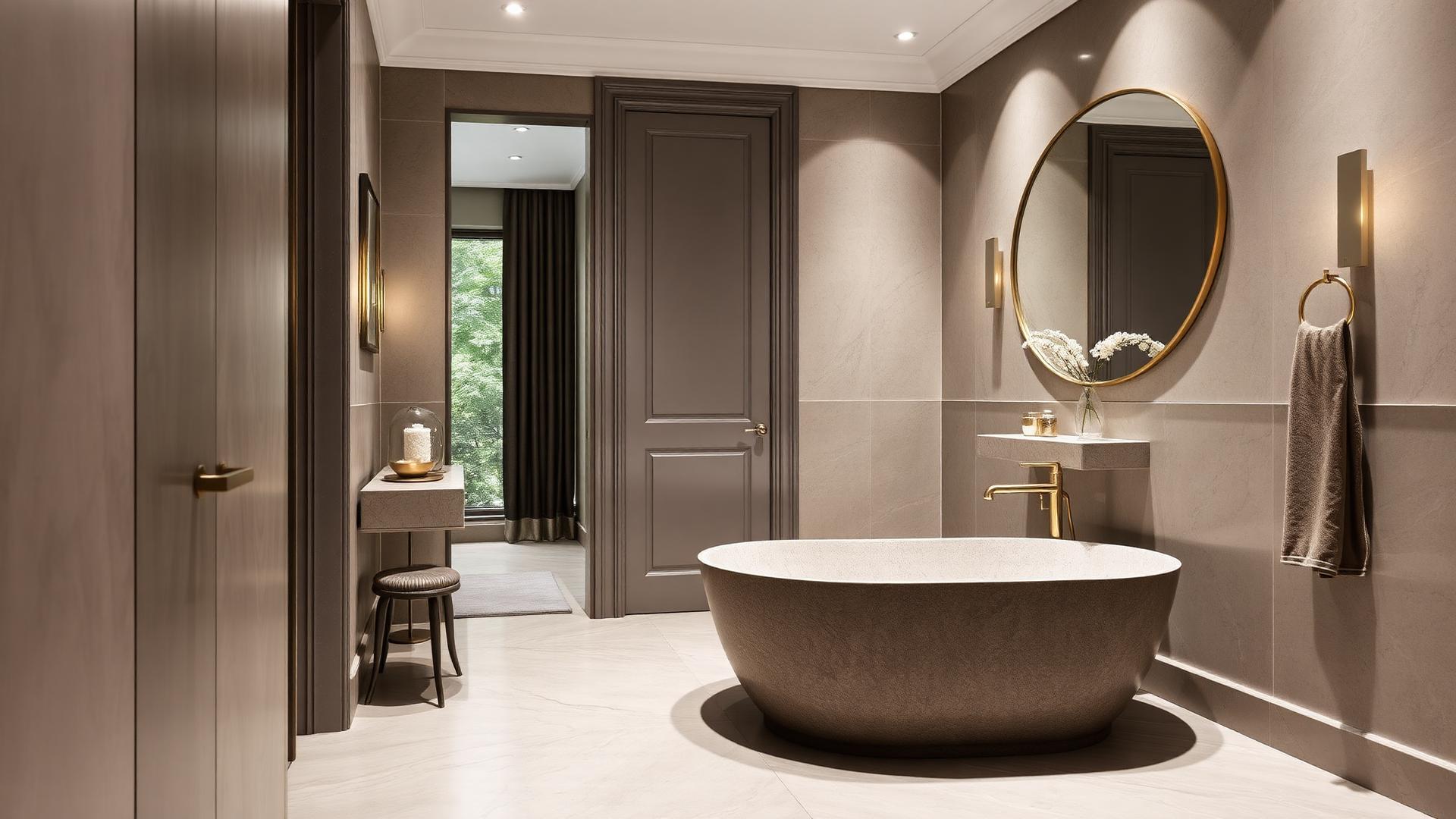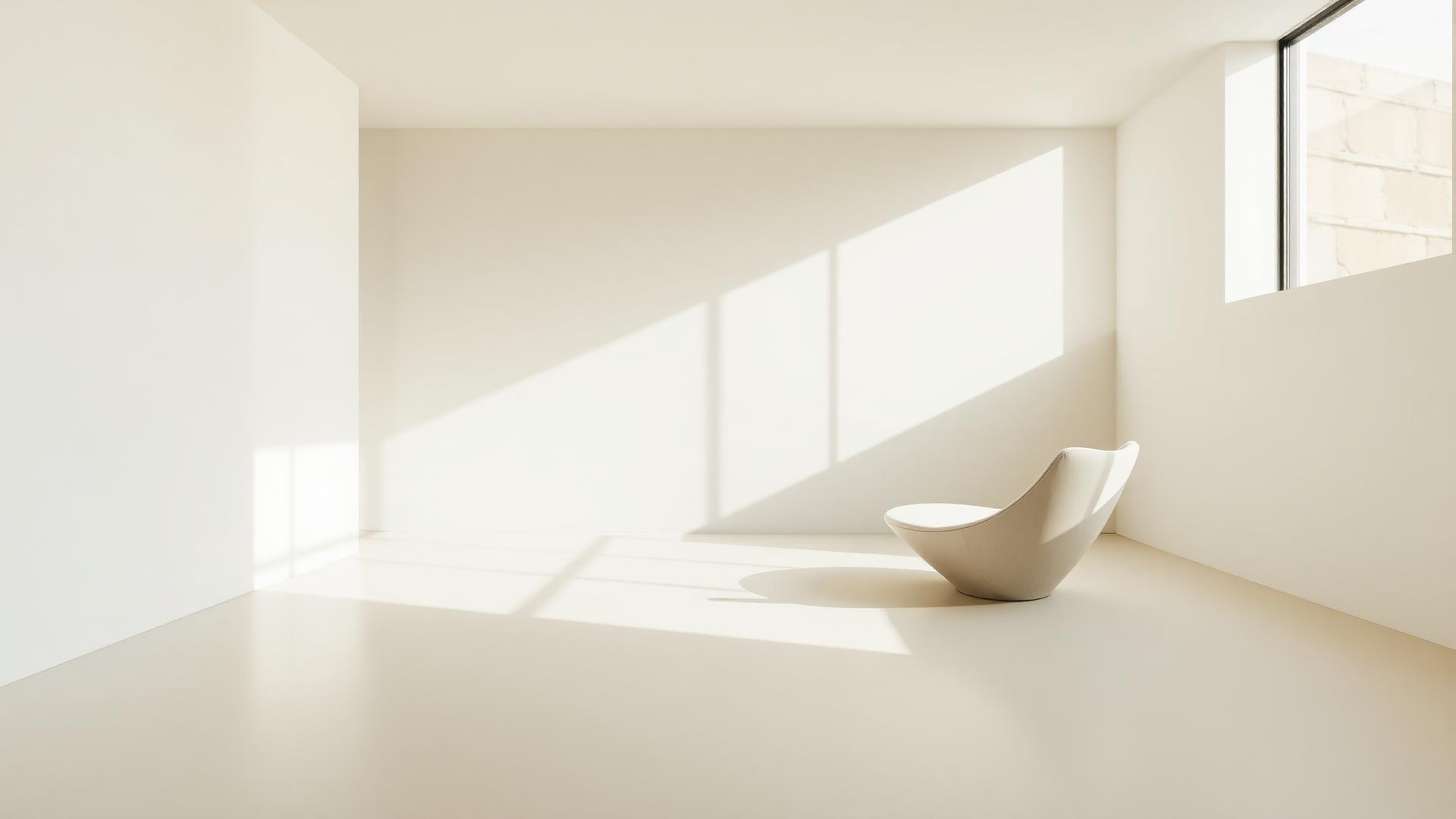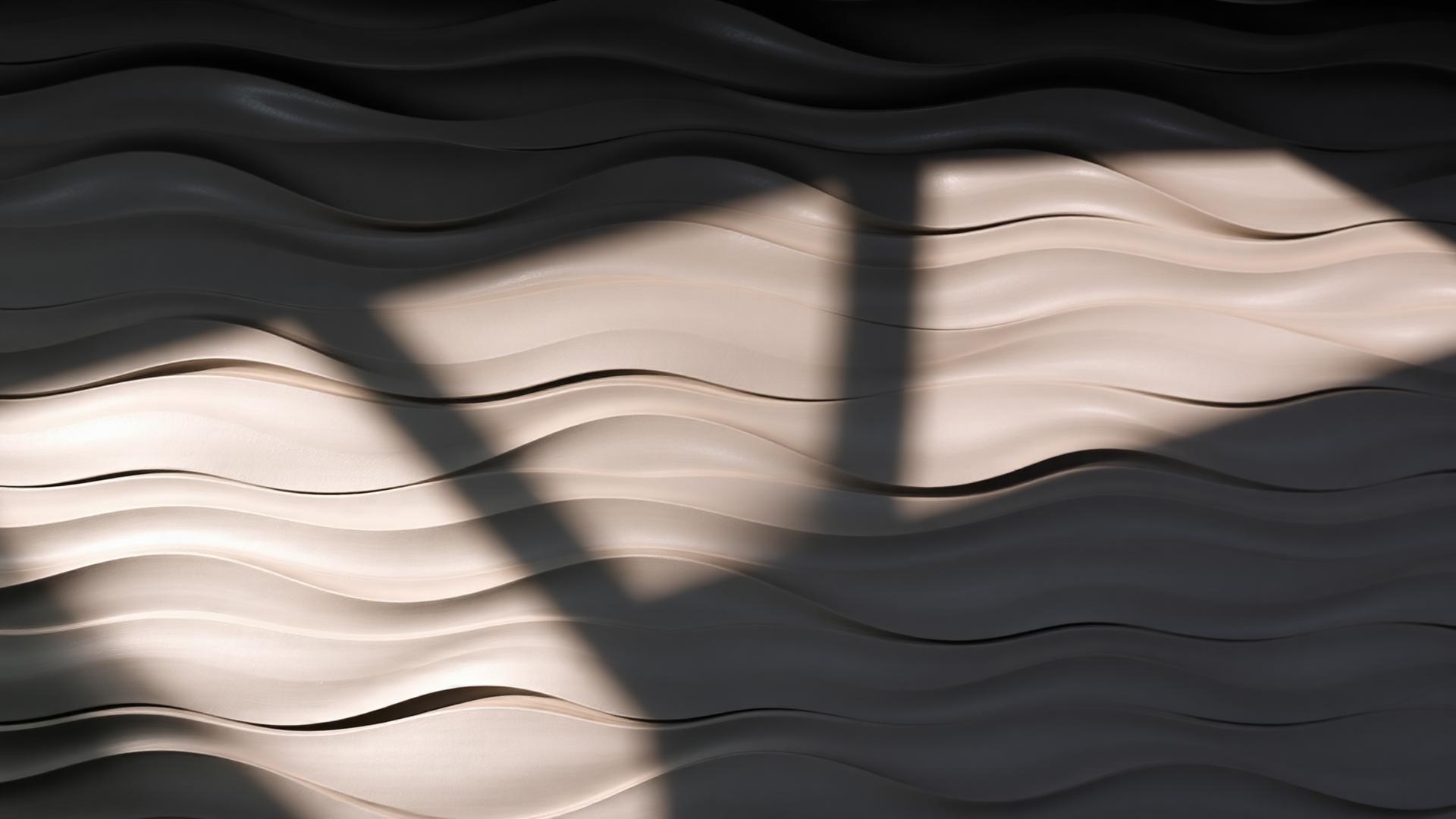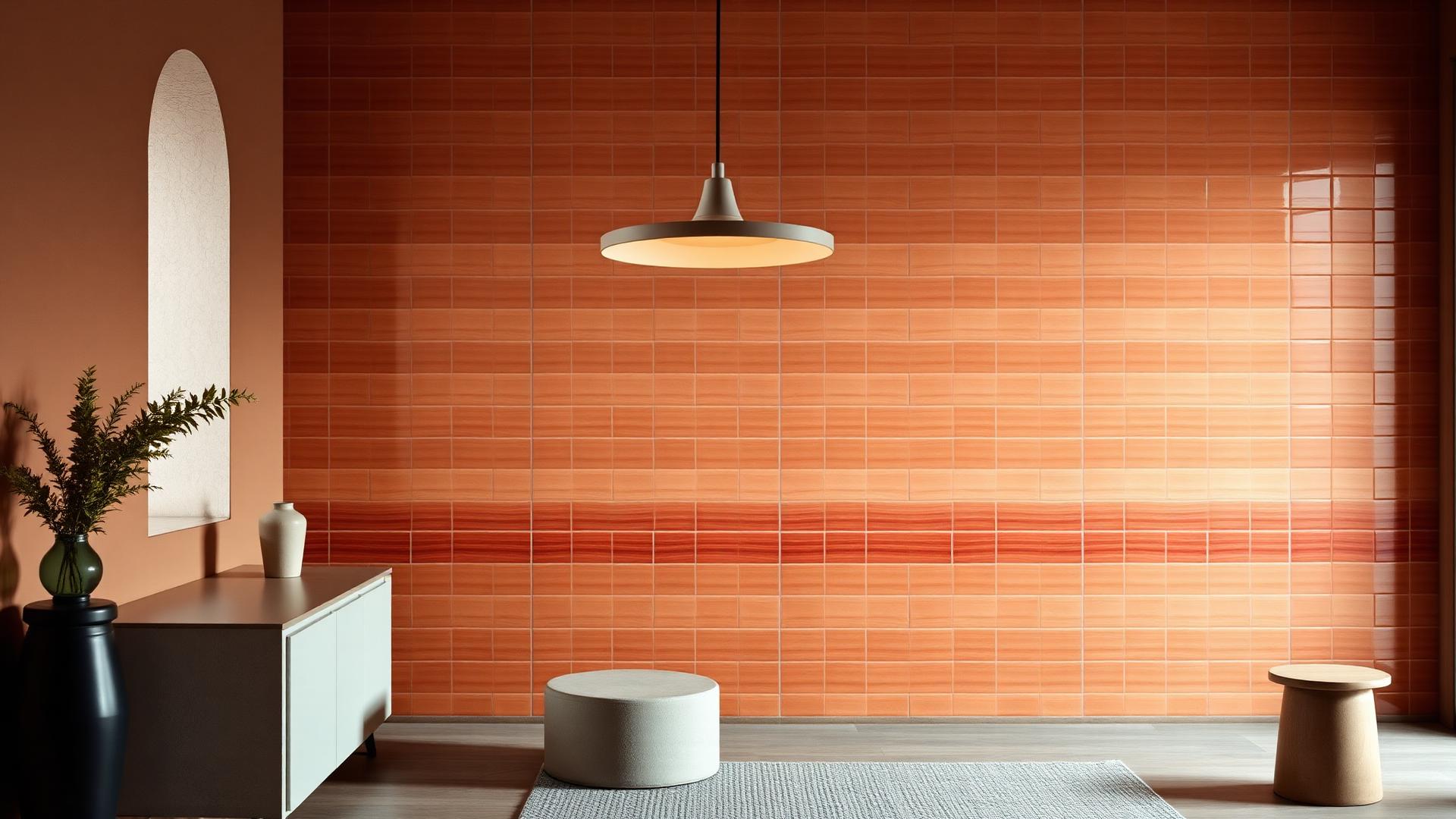
From hand-glazed feature walls to slab-format porcelain, ceramics have moved from utility to the centerpiece of contemporary interiors.
For more than a century, ceramic tile sat quietly in the background of architectural conversation — a hardworking surface confined to bathrooms, splashbacks and the occasional kitchen floor. In 2026, the conversation has changed entirely. Ceramics have stepped out of the service rooms and onto the centre stage of contemporary interior design, where they now define entire moods, materials palettes and architectural gestures.
What changed is partly technical. Slab-format porcelain now reaches dimensions of 1600 by 3200 millimetres with thicknesses of just six. Digital printing has made it possible to render onyx, travertine, fluted oak and lime plaster in convincingly tactile surfaces that wear better than the originals. But the deeper shift is cultural — designers are searching for materials that age well, photograph beautifully, and respond to natural light, and ceramics are quietly outperforming nearly every alternative.
From Background Material to Architectural Gesture
The defining move in contemporary residential design is the seamless surface. Floors flow into walls, walls fold up into ceilings, and the eye is invited to read a room as a single sculpted volume rather than a collection of finishes. Large-format porcelain makes this possible at a price point that natural stone simply cannot match.
"A surface is no longer something you specify last. It is the first decision you make — everything else negotiates around it."
Walk through any project published in the last twelve months and you will find ceramic surfaces playing roles that would have been unthinkable a decade ago: bookmatched feature walls behind floating beds, monolithic kitchen islands carved from a single porcelain slab, even ceiling planes finished in matte clay-toned tile that absorbs light like fresco.
The Quiet Revolution in Texture
If 2024 belonged to terrazzo and 2025 to lime plaster, 2026 is unmistakably the year of textured ceramic. Three-dimensional surfaces — fluted, ribbed, scalloped, hand-pressed — are appearing on feature walls in showrooms from Milan to Brooklyn. Designers are gravitating toward tactile materials that invite touch and reward close inspection.
- Vertical fluted ceramics that catch directional light and dissolve into shadow
- Hand-glazed zellige with deliberate imperfections that read as quiet luxury
- 3D wave-pattern wall tiles that double as acoustic dampening
- Lime-look porcelains with the soft chalkiness of fresco but none of the maintenance
Color Returns, Carefully
After nearly a decade of beige-on-beige restraint, color is finally returning to the ceramic conversation — but with a maturity that feels new. Today's accent tones are drawn from the earth: ochre, terracotta, mineral green, ash blue, smoked clay. They are deployed sparingly, often as a single bookmatched panel or a saturated bathroom volume, and they almost always sit beside warm neutrals that let them breathe.
What This Means for Your Next Project
If you are renovating, planning, or specifying right now, treat ceramic surfaces as architectural decisions rather than finishing touches. Ask what your floor wants to do — extend, dissolve, ground, divide. Consider whether your walls want to be neutral canvases or sculptural moments. The best contemporary interiors are not those with the most expensive materials but those whose surfaces have been chosen with intention.
Ceramics in 2026 are no longer the safe choice. They are, increasingly, the most expressive one.
FAQs
Continue reading on Surfaces or Architecture.