Mixing natural stone with contemporary porcelain takes a careful eye — but done well, the contrast can carry an entire interior.
Pairing real stone with engineered ceramic used to feel like a contradiction. Stone was the honest, expensive, irreplaceable material; ceramic was the affordable substitute. That hierarchy has dissolved. The most thoughtful contemporary interiors now use both, deliberately, for what each does best.
Why Mix Them at All
Real stone carries a tactile irregularity that no manufactured surface can fully replicate. Modern porcelain offers consistency, scale, performance and price points that stone cannot match. Used together, the combination gives a room both gravity and discipline.
"Stone gives a room its history. Ceramic gives it its grammar. The two together can speak in full sentences."
Three Combinations That Always Work
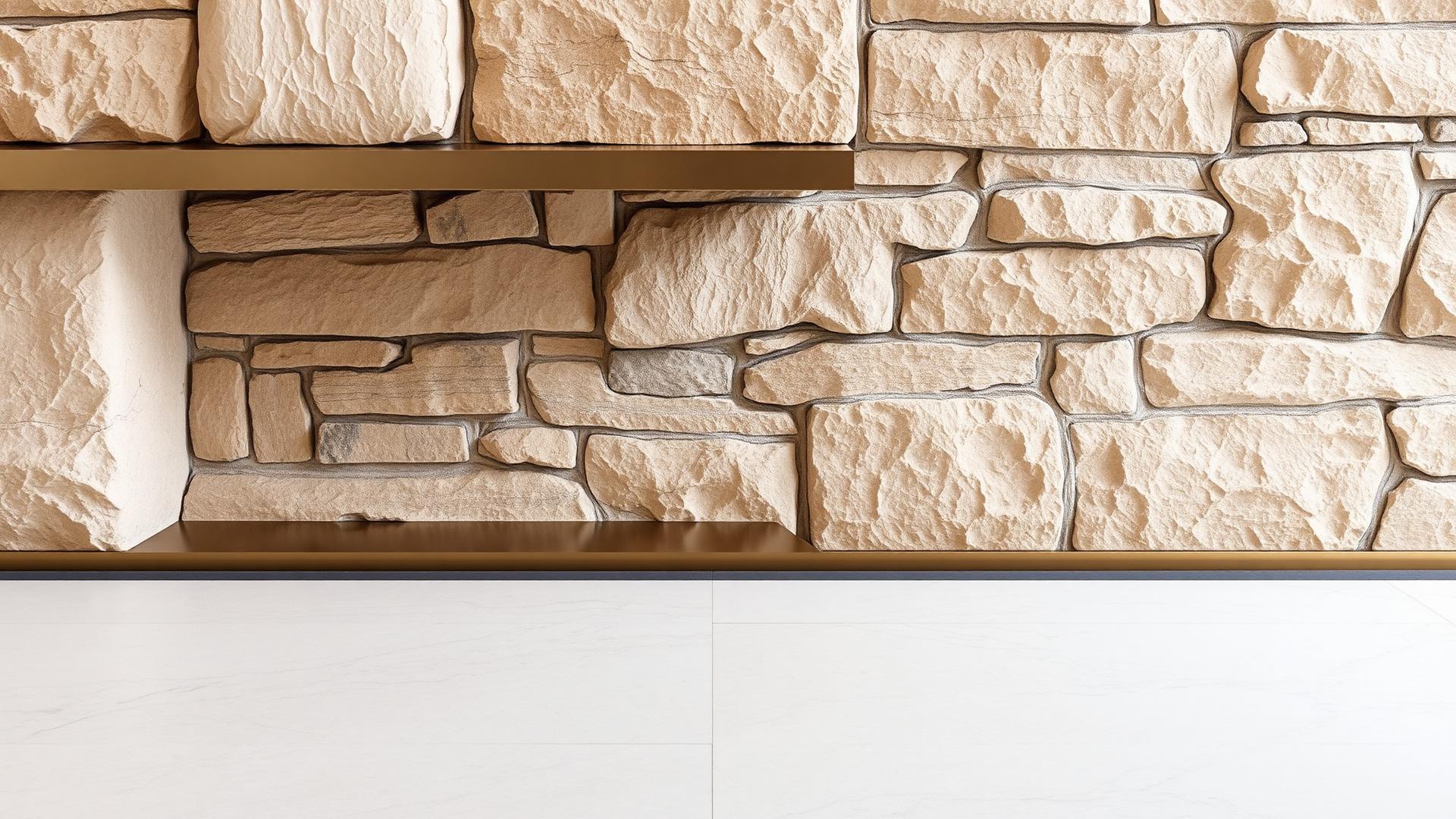
- Rough hewn limestone wall meeting a smooth honed porcelain floor — a study in scale and texture
- Bookmatched marble feature surface set against quiet matte ceramic floors and walls
- Travertine threshold or bench detail framing a continuous large-format porcelain expanse
Rules of Restraint
Mixing materials is easier to do badly than well. Limit yourself to two stones at most per room. Keep the ceramic palette tonally adjacent to the stone, never competing with it. And resolve every transition — threshold, edge, corner — with as much care as the surfaces themselves.
FAQs
Continue reading on Surfaces or Architecture.