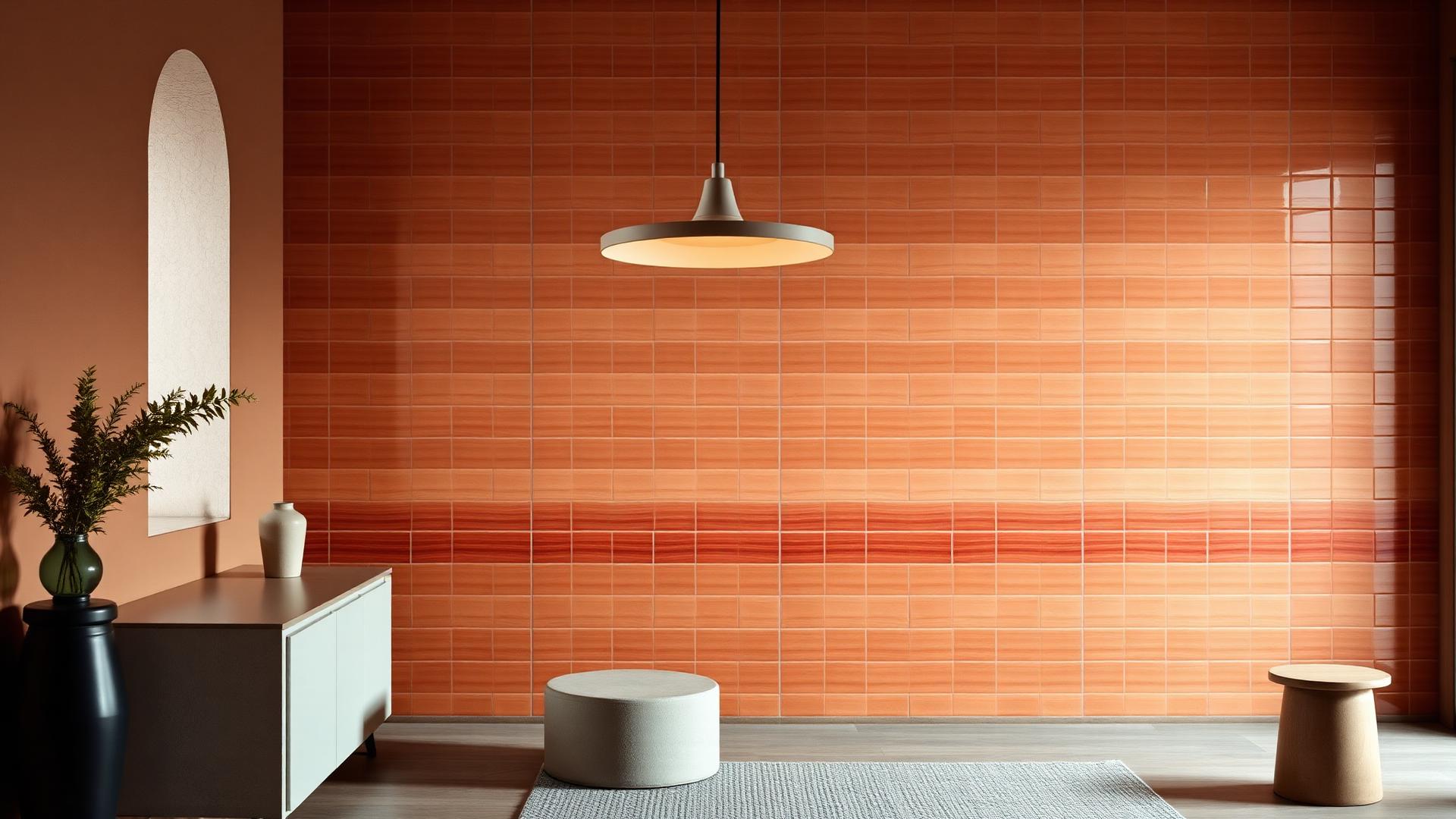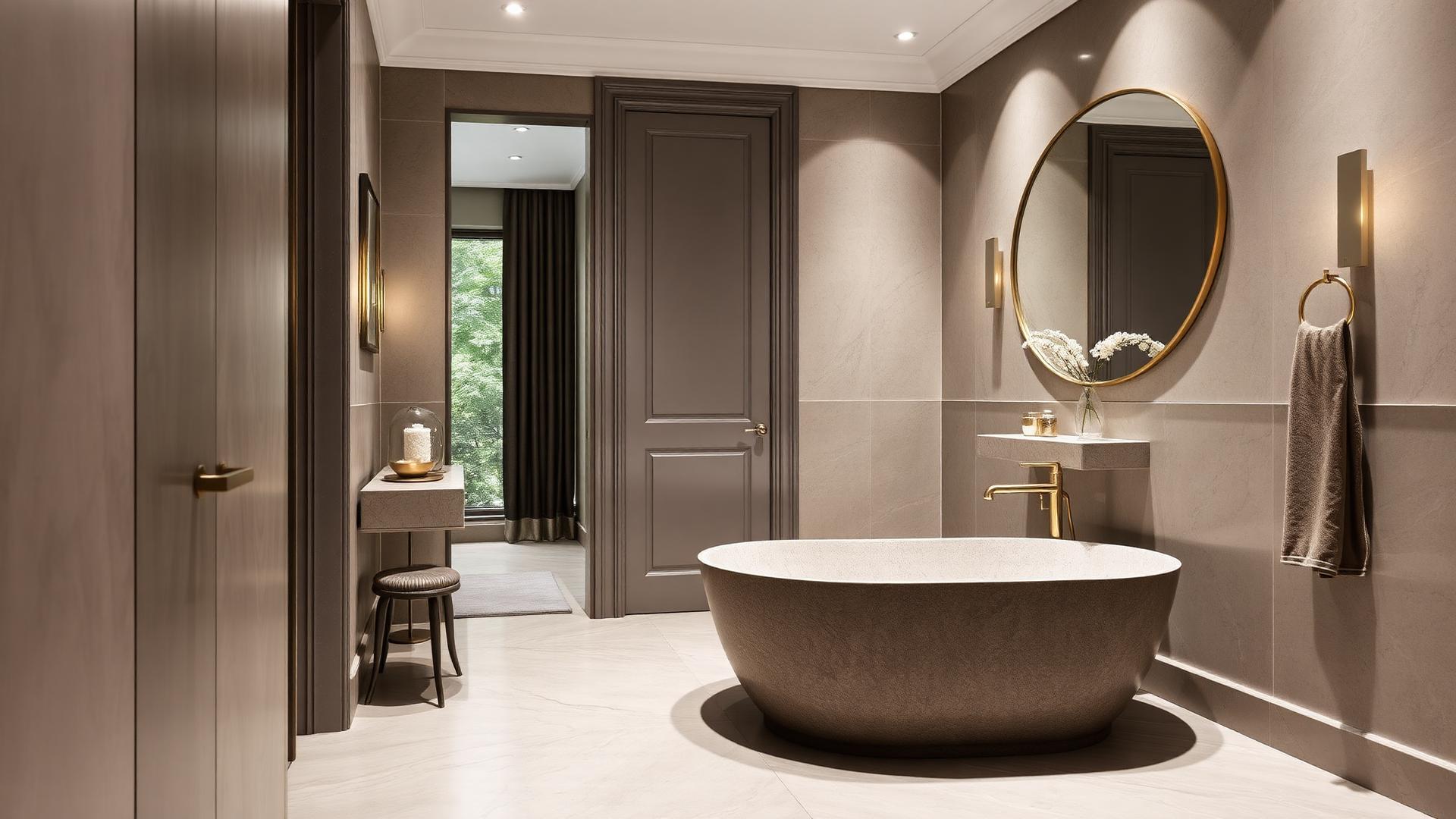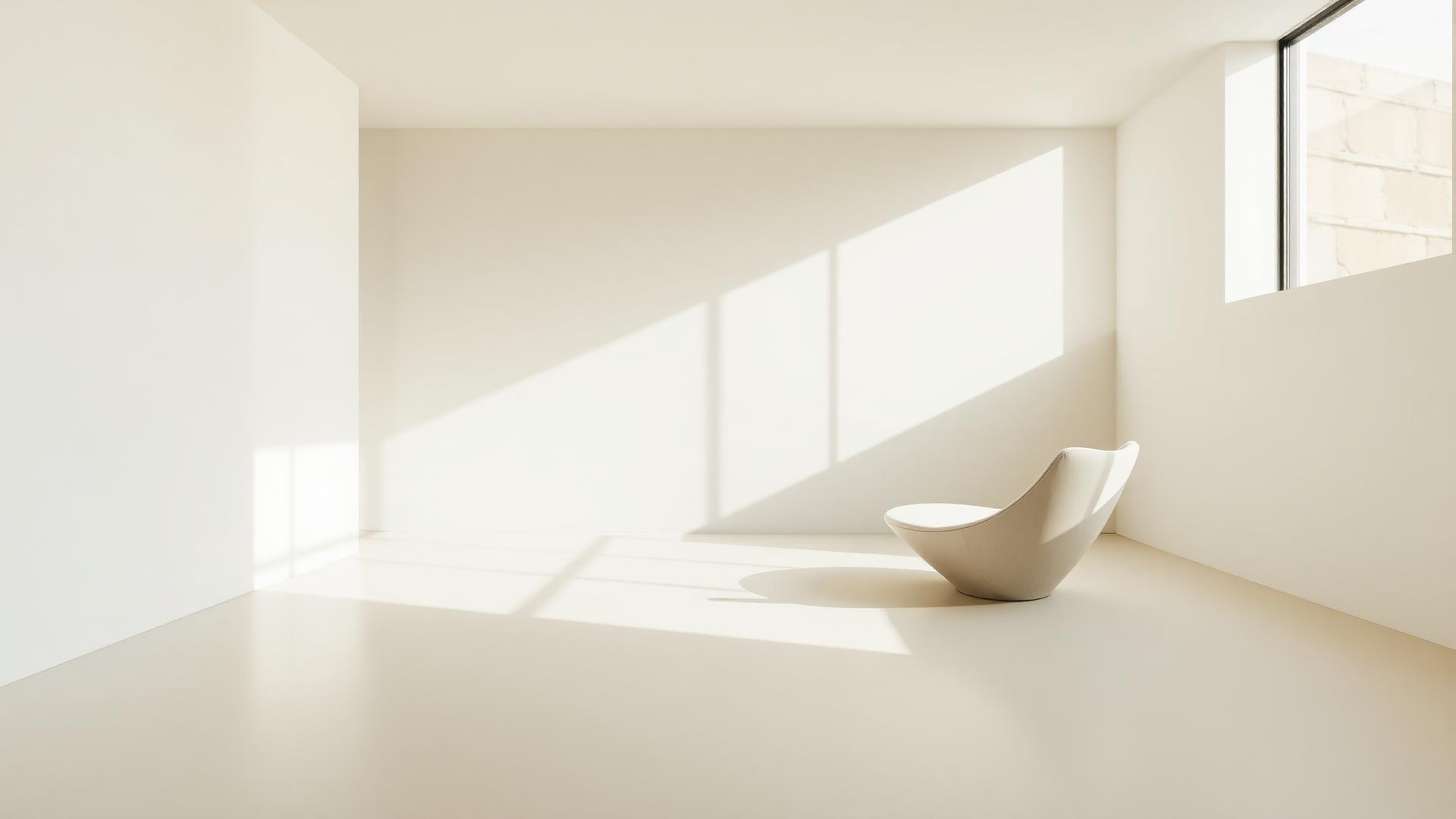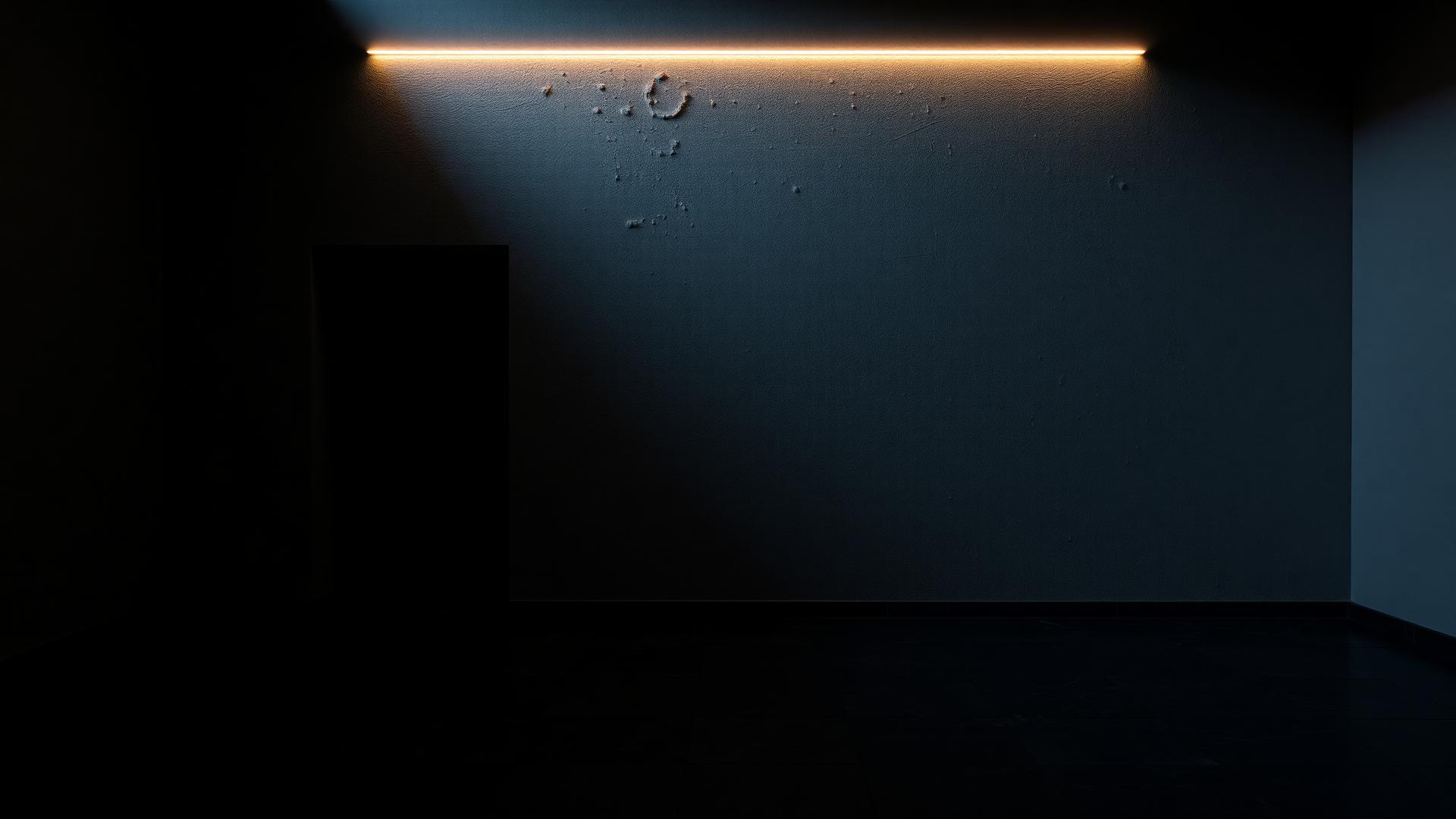
The same surface can read three completely different ways depending on how it is lit. Here is how the best designers approach the problem.
Material and light are inseparable. A travertine wall under cool downlighting reads as cold and clinical; the same wall under a warm grazing source becomes a quiet, sculpted plane. Specifying a beautiful material without considering its lighting is, in practice, specifying nothing at all.
The Three Lighting Moves That Define a Room
- Grazing — light placed close to a textured surface to reveal depth
- Washing — even light spread across a flat plane to dissolve it visually
- Pooling — small, warm sources that gather attention and create intimacy
"Light is the other half of the material. Specify the surface and the source together or specify neither well."
Color Temperature Is Not Optional
The single most overlooked variable in residential lighting is colour temperature. Warm-white sources around 2700K make ceramics, plasters and timbers look the way the designer intended. Anything above 3000K shifts the same surfaces toward a colder, more retail register. Get this wrong and an expensive material will look cheap.
Layer, Always
No room should rely on a single lighting source. Combine an architectural layer (concealed coves, wall washes), a task layer (pendants, wall sconces) and an accent layer (table lamps, floor lamps) — and dim everything.
FAQs
Continue reading on Surfaces or Architecture.